4
,
2026
Designing Work with Dignity and High Standards
Lessons from Kathy Miller
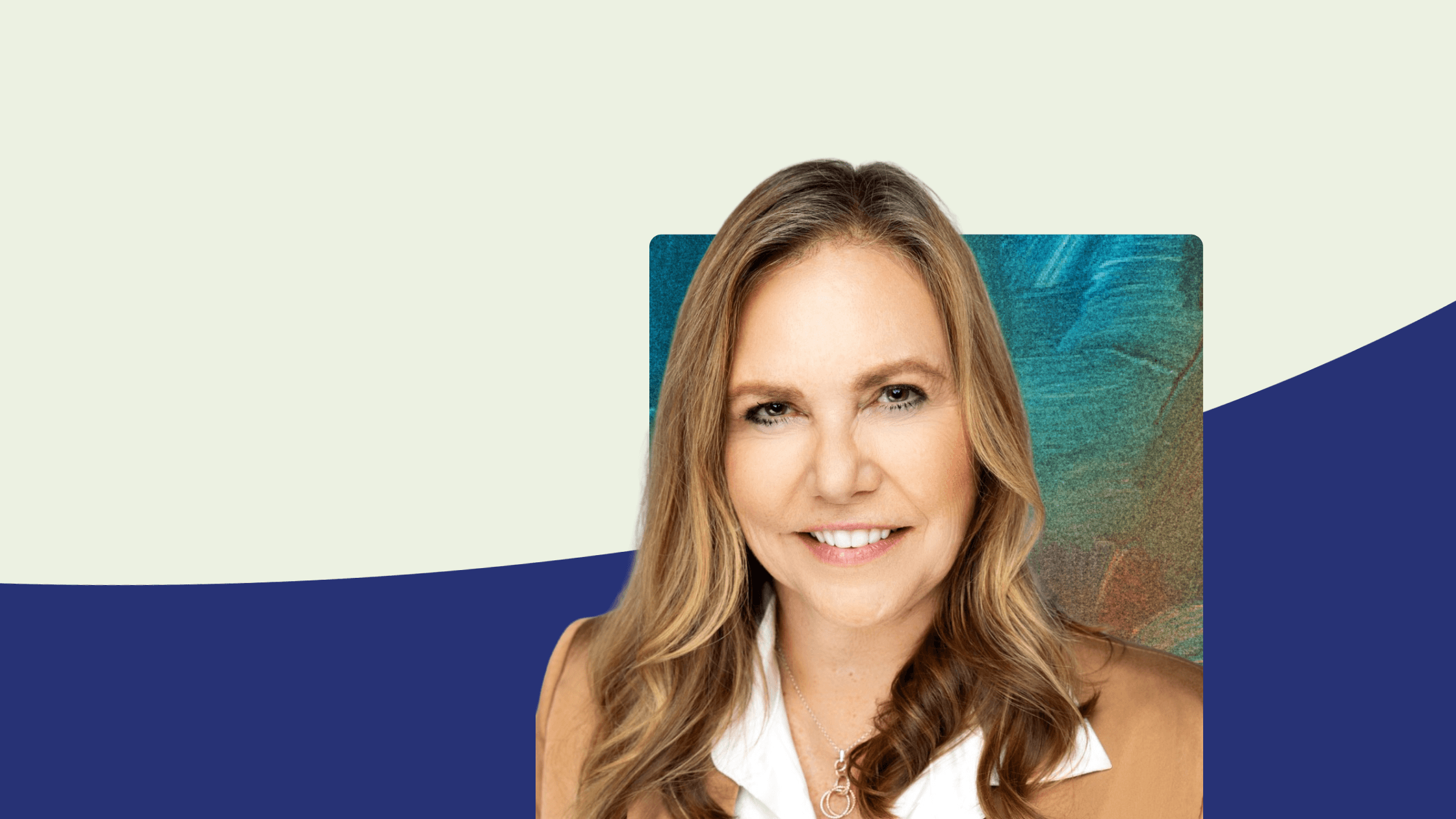
In this episode of Meaningful Work Matters, Andrew is joined by Kathy Miller, a senior operations leader and author whose career spans decades of global manufacturing and industrial leadership. Kathy’s perspective is grounded in places where leadership decisions are visible immediately and where the consequences of work design are felt directly by the people doing the work.
Rather than framing meaningful work as a matter of motivation or engagement initiatives, Kathy approaches it as a design challenge. She invites leaders to examine how standards are set, how systems operate, and how everyday leadership behavior communicates what truly matters.
Dignity and High Standards Belong Together
A central theme in the conversation is the relationship between dignity and performance. Kathy challenges the assumption that treating people with care requires lowering expectations. In her experience, dignity and high standards reinforce one another.
Clear expectations, consistent feedback, and accountability provide people with a sense of fairness and respect. When standards are ambiguous or inconsistently applied, people are left guessing what matters, which often erodes trust and confidence. Holding high standards communicates belief in people’s capability and contribution.
As Kathy puts it,
“Dignity doesn’t mean lowering the bar. It means being clear about the bar and supporting people in reaching it.”
Kathy emphasizes that dignity is not conveyed through words alone. It is expressed through how leaders respond to mistakes, how they handle pressure, and whether they invest time in helping people succeed within the system.
Systems Carry Meaning More Than Intentions
Throughout the episode, Kathy returns to the role of systems in shaping people’s experience of work. Policies, workflows, incentives, and measures send constant signals about what an organization values.
Leaders may articulate strong intentions about respect or wellbeing, but people experience meaning through what the system makes easy or difficult.
“People don’t experience our intentions. They experience the system we put them in.”
A production target, a scheduling rule, or a performance metric often communicates more clearly than a mission statement. When systems align with dignity, people feel supported. When they contradict stated values, people feel the tension immediately.
Kathy encourages leaders to look closely at how systems reward behavior, how work is paced, and how decisions are made when tradeoffs arise. Meaningful work is sustained when design choices consistently reinforce the values leaders claim to hold.
Leadership Presence Where Work Happens
Kathy describes the importance of spending time where work actually happens and paying attention to how it unfolds.
Walking the floor, observing how tasks move through the system, and listening to how people talk about what helps and what slows them down provides leaders with information that dashboards and reports cannot capture. Presence allows leaders to see friction points, workarounds, and informal practices that shape daily experience.
Presence signals interest and builds trust by demonstrating that leaders are willing to engage with the realities of work, not just its outcomes.
A minor change in workflow, communication, or resource allocation can reduce strain and improve both performance and experience.
Meaning Built Through Everyday Leadership Choices
A consistent thread running through the episode is the idea that meaningful work is built through everyday choices rather than grand gestures. How leaders respond to constraints, how they handle setbacks, and how they balance pressure with care shapes how people understand their role and contribution.
Kathy’s examples highlight that meaning emerges from how work is structured and led. When leaders take responsibility for system design and remain attentive to lived experience, people are more likely to feel respected, capable, and connected to what they do.
Final Thoughts
This conversation reminds leaders that dignity is not a soft value and performance is not a cold one. Both are sustained through thoughtful design and attentive leadership. For those responsible for results as well as people, Kathy’s insights provide a practical lens for examining how meaning shows up in the systems we create and the behaviors we reinforce every day.
For Further Exploration
MORE Is Better: Leading Operations with Meaning, Optimism, and Relationships for Excellence by Kathy Miller
Visit Kathy’s website here
Follow Kathy on LinkedIn here